Find out how homeopathy helps treat kidney stones naturally. With the right remedies, it can reduce pain, dissolve small stones, support kidney function, and prevent recurrence—without side effects or invasive procedures.
Understanding Kidney Stones
Kidney stones are solid pieces of material that form in the kidneys when there is an imbalance of minerals, salts, and waste in the urine. They vary in size and may stay in the kidney or travel down the urinary tract, causing pain and other symptoms. While some stones pass naturally, others may require treatment. Kidney stones are common and can affect people of all ages, but early awareness and prevention can reduce their impact significantly.
While conventional treatments often involve painkillers, surgery, or shockwave therapy, many people are now turning to natural alternatives like Homeopathy Medicine for Kidney Stone relief. In this article, we’ll explore the symptoms, causes, tips for prevention, and how homeopathy offers a gentle yet effective solution.
Common Symptoms of Kidney Stones
Recognizing the symptoms of kidney stones early can help avoid serious complications. Here are some of the most common signs in simple points:
Severe back or side pain: Often felt suddenly and may shift to the lower abdomen or groin.
Pain during urination: A sharp or burning feeling when passing urine.
Frequent urge to urinate: Even when only a small amount comes out.
Blood in urine: Urine may appear pink, red, or brown.
Nausea or vomiting: Caused by the intense pain or irritation.
Cloudy or bad-smelling urine: A possible sign of infection.

What Causes Kidney Stones?
Kidney stones form when your urine contains more waste than fluid, leading to crystal buildup. Common causes include:
Not drinking enough water
Eating too much salt, sugar, or animal protein
Family history of kidney stones
Digestive issues or surgery (like gastric bypass)
Being overweight or inactive
Taking certain medicines or supplements without guidance

Tips to Prevent Kidney Stones
Preventing kidney stones is easier than treating them. Follow these simple tips to reduce your risk:
Stay hydrated: Drink 8–10 glasses of water daily.
Eat a balanced diet: Avoid too much salt, sugar, or animal protein.
Limit oxalate-rich foods: Like spinach, beets, and nuts.
Include natural calcium: From foods, not supplements (unless prescribed).
Maintain a healthy weight: Exercise regularly and avoid sitting too long.
Avoid holding urine: Go when you feel the need to flush out toxins.
Homeopathy Treatment for Kidney Stones
Here’s how homeopathy helps:
Reduces Pain and Discomfort: Remedies like Berberis Vulgaris and Cantharis help relieve sharp, radiating pain and burning sensations during urination.
Aids in Stone Removal: Medicines such as Hydrangea and Lycopodium help break down small stones and support their natural passage through the urinary tract.
Prevents Recurrence: By correcting the body’s mineral imbalance and improving metabolism, homeopathy reduces the chances of new stones forming.
Safe and Non-Invasive: Treatments are gentle, have no side effects, and are suitable for all age groups.
Individualized Care: Every patient receives a remedy based on their unique symptoms, lifestyle, and medical history.
Commonly used remedies include:
Berberis Vulgaris – For sharp kidney pain and urinary discomfort
Cantharis – Helps with burning urination
Lycopodium – Useful for right-sided kidney stones
Sarsaparilla – Helpful when pain follows urination
Hydrangea – Supports stone dissolution and pain relief
Always consult a qualified homeopathic doctor for proper diagnosis and dosage.
Why Choose Dr. Ankur Prakash for Kidney Stone Treatment?
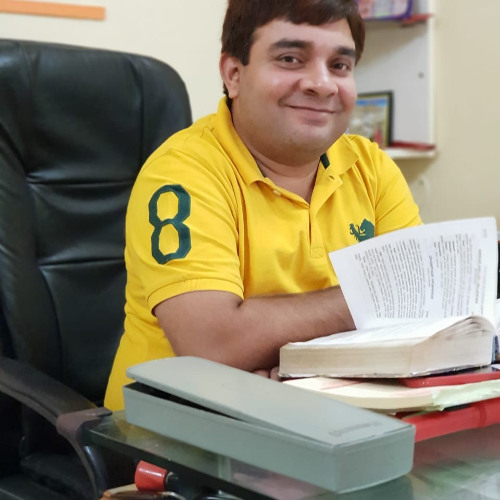
Dr. Ankur Prakash is one of the best homeopathy doctors in India with years of experience in treating kidney-related issues naturally. Here’s why patients trust him:
Expertise in homeopathy medicine for kidney stone
Customized treatment plans for each patient
Focus on root cause, not just symptoms
Safe and painless methods with no side effects
Thousands of satisfied patients across India
If you're looking for lasting relief from kidney stones without surgery or harsh medication, Dr. Ankur Prakash offers a trusted and effective solution
Get in Touch
📞 Contact: 9997846143
📍 Address: 5, Mohan Hotel Plaza, Sikandra-Bodla Rd, Near Kargil Petrol Pump, Sector 9, Avas Vikas Colony, Sikandra, Agra, Uttar Pradesh 282007
🌐 Website: drankurprakash.comChoose natural healing. Choose homeopathy. Say goodbye to kidney stone pain with Dr. Ankur Prakash today.
Comments
Post a Comment