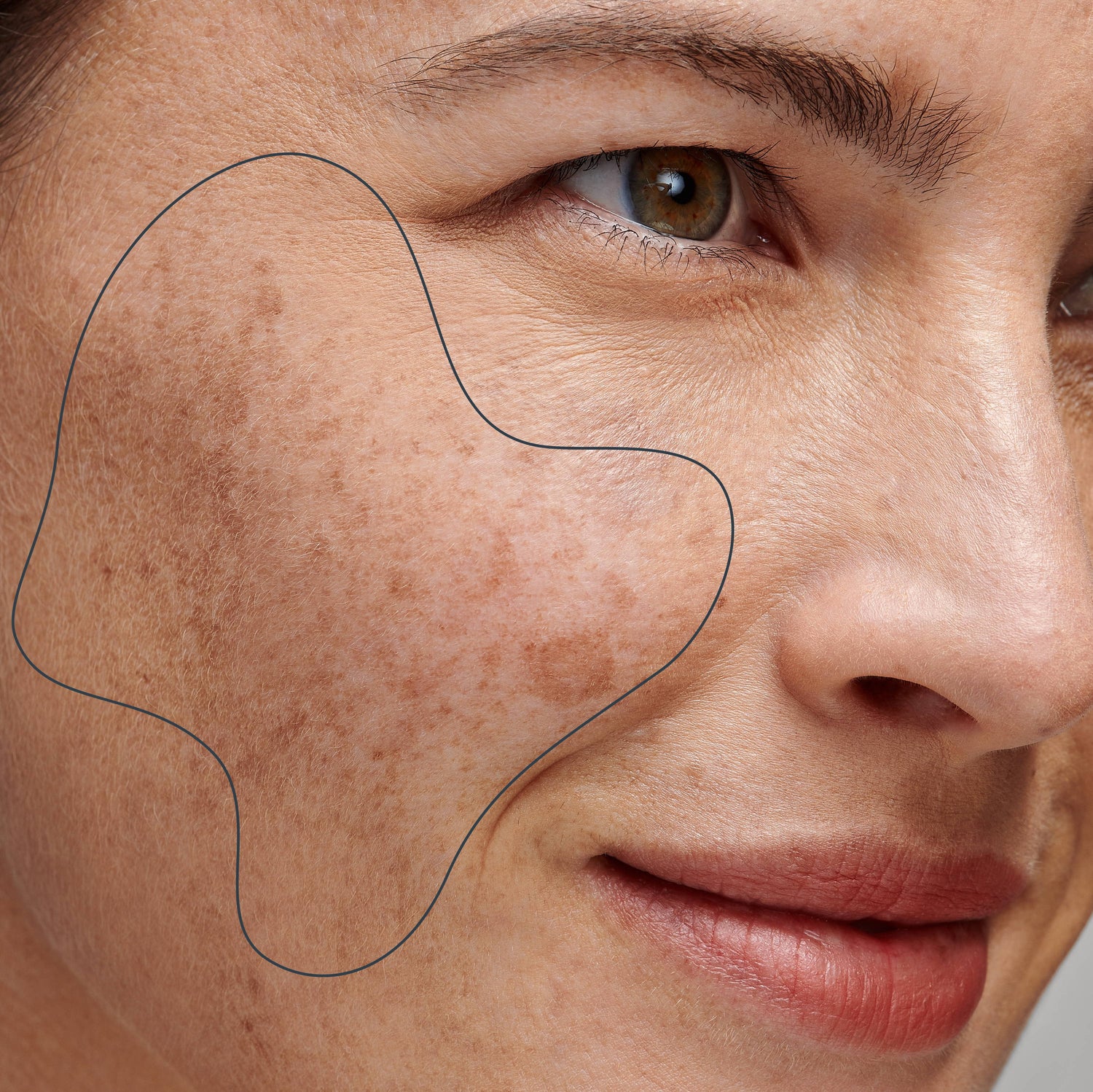
Skin pigmentation is a common concern for many people. It shows up as dark patches, uneven skin tone, or spots on different parts of the body—especially the face, neck, and arms. These changes in skin color can happen due to several reasons like sun exposure, hormonal imbalance, stress, or certain health conditions. While many people turn to chemical-based creams or cosmetic procedures, homeopathy offers a safe, natural, and long-lasting solution.
What is Skin Pigmentation?
Skin pigmentation refers to the color of your skin, which comes from a pigment called melanin. When the body produces too much or too little melanin, it leads to uneven skin pigmentation, dark patches, or light spots. Common types of pigmentation include:
Melasma – often seen in women due to hormonal changes.
Freckles – small brown spots usually caused by sun exposure.
Hyperpigmentation – dark patches caused by acne scars or injuries.
How Homeopathy Helps in Skin Pigmentation?
Key benefits of homeopathic treatment for skin pigmentation:
1. Treats the Root Cause, Not Just the Skin
Unlike creams or cosmetic treatments that only work on the surface, homeopathy looks deeper. It aims to identify and treat the underlying cause of skin pigmentation—such as hormonal imbalance, stress, or poor liver function—so that the results are long-lasting and natural.
2. No Side Effects or Harsh Chemicals
Homeopathic medicines are made from natural sources and are completely safe for long-term use. There are no chemicals, bleaching agents, or steroids involved. That means you can treat pigmentation without the risk of skin thinning, irritation, or other side effects.
3. Personalized for Your Skin and Health Condition
Every person is different, and so is their skin. Homeopathy doesn’t follow a one-size-fits-all approach. The doctor studies your health history, skin type, and emotional well-being before suggesting remedies. This customized treatment gives better and safer results over time.
4. Improves Overall Skin Health
In addition to fading dark spots or uneven tone, homeopathy helps improve the overall texture, glow, and health of your skin. It supports better blood circulation, balances hormones, and helps your skin heal from within.
5. Safe for All Ages and Skin Types
Whether you’re a teenager dealing with acne scars or an adult with melasma, homeopathy is safe to use. It works gently, without interfering with your body's natural processes, making it suitable for sensitive skin and all age groups.
Because homeopathy strengthens your body’s internal balance, it reduces the chances of skin pigmentation coming back. This makes it a more reliable and sustainable option compared to temporary fixes.

Popular Homeopathic Remedies for Skin Pigmentation
Here are a few commonly used remedies in homeopathy, prescribed based on individual symptoms:
Sepia – for brown patches due to hormonal changes
Sulphur – for dull, patchy skin with itching
Thuja – for spots caused by skin infections
Natrum Mur – useful in cases where pigmentation is linked to sun exposure or emotional stress
Note: Homeopathy is not one-size-fits-all. Always consult a certified homeopathy doctor for a personalized remedy.
Chemical creams might give short-term results but can damage the skin barrier or cause dryness and irritation. Laser treatments are expensive and don’t always suit every skin type. Homeopathy, on the other hand:
Is non-invasive
Treats both the internal cause and visible effect
Is suitable for all skin types and ages
Supports natural healing without side effects
When it comes to safe and effective homeopathic care, Dr. Ankur Prakash is one of the most trusted names in Agra. With years of experience and deep knowledge of treating complex skin conditions, he offers personalized treatment for all types of skin pigmentation—whether it’s melasma, dark patches, or uneven skin tone.
Here’s why patients across India trust him:
Personalized Care: Each case is studied in detail to find the root cause and offer tailored remedies.
Safe & Natural Medicines: No side effects, no harsh chemicals—just gentle healing through natural remedies.
Experience You Can Rely On: With a strong record in treating chronic conditions, Dr. Prakash combines clinical expertise with compassion.
Modern Facilities: The clinic is equipped for comfort and convenience, ensuring a smooth treatment experience.
Positive Results: Many patients have seen visible improvements in skin tone and health under his care.

Comments
Post a Comment