
When it comes to maintaining healthy, glowing skin, what you eat plays a crucial role. While skincare products can help on the surface, the foundation of radiant skin starts from within. Understanding how diet impacts skin health can guide you toward making better nutritional choices that support your skin’s well-being. Dr. Ankur Prakash, one of the Best Skin Doctors in India, emphasizes the importance of a balanced diet for optimal skin health.
The Connection Between Diet and Skin Health
Your skin is a reflection of your overall health, and what you consume can significantly affect your appearance and condition. Various nutrients found in food are essential for maintaining skin health, including vitamins, minerals, antioxidants, and healthy fats.
1. Vitamins and Antioxidants
Vitamins such as A, C, and E are vital for skin health. Vitamin C, found in citrus fruits, strawberries, and bell peppers, aids in collagen production, which is crucial for skin elasticity and strength. Vitamin E, abundant in nuts and seeds, protects the skin from oxidative stress. Vitamin A, present in carrots, sweet potatoes, and leafy greens, promotes cell turnover and helps maintain a youthful appearance.
2. Healthy Fats
Healthy fats, like omega-3 fatty acids, play a pivotal role in maintaining skin’s hydration and elasticity. These fats can be found in foods like salmon, flaxseeds, and walnuts. They help to keep the skin barrier intact, preventing dryness and irritation.
3. Hydration
Adequate hydration is essential for healthy skin. Drinking plenty of water helps maintain skin moisture and elasticity. Foods with high water content, such as cucumbers, oranges, and watermelon, also contribute to hydration.
4. Antioxidant-rich Foods
Antioxidants combat free radicals, which can damage skin cells and accelerate aging. Berries, dark chocolate, and green tea are rich in antioxidants and can help protect your skin from environmental stressors.
5. Probiotics and Gut Health
A healthy gut microbiome can positively affect your skin. Probiotic-rich foods like yogurt, kefir, and fermented vegetables help maintain a balanced gut flora, which can reduce inflammation and improve skin conditions like acne and eczema.
Foods to Avoid for Better Skin Health
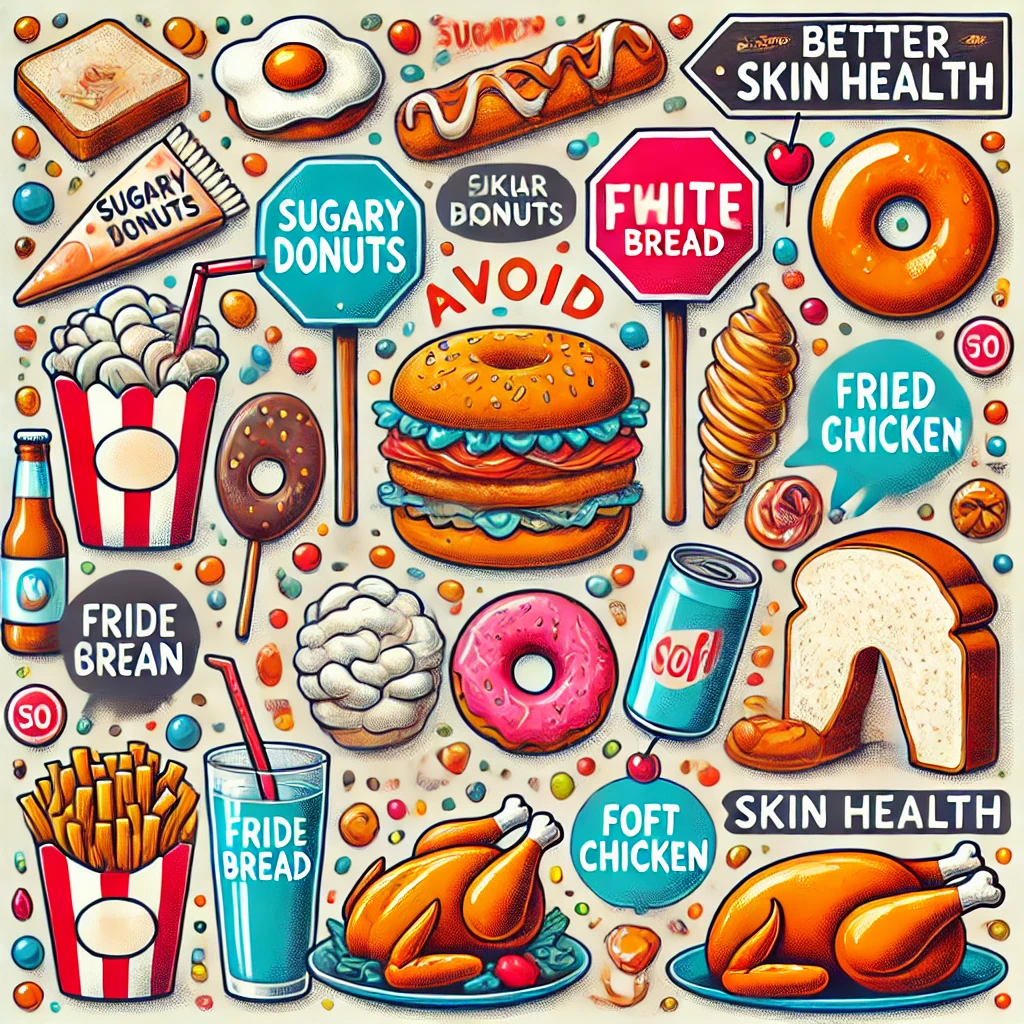
Just as certain foods can enhance skin health, others can have detrimental effects. Dr. Ankur Prakash advises minimizing the intake of the following:
1. Sugary Foods
High sugar consumption can lead to increased insulin levels, which may trigger acne and other skin issues. It’s best to limit sweets, sugary drinks, and processed snacks.
2. Dairy Products
For some individuals, dairy can exacerbate acne. While the link between dairy and skin health is still being researched, it may be beneficial to observe any changes in your skin when reducing dairy intake.
3. Processed Foods
Processed foods often contain unhealthy fats, sugars, and additives that can negatively impact skin health. Opting for whole, unprocessed foods can help maintain clear, healthy skin.
Personalized Skincare Advice
While diet is a significant factor in skin health, it is essential to understand that everyone’s skin is unique. Personalized advice from a skincare expert can make a substantial difference. Dr. Ankur Prakash, recognized as one of the Best Skin Doctors in India, provides tailored guidance to help individuals achieve their best skin.
Conclusion
The impact of diet on skin health is profound. By incorporating nutrient-rich foods into your diet and avoiding those that can harm your skin, you can achieve a radiant, healthy complexion. For personalized advice and professional skincare treatments, consulting with experts like Dr. Ankur Prakash, one of the Best Skin Doctors in India, can provide the comprehensive care you need to enhance your skin health from the inside out. Remember, beautiful skin starts with a balanced diet and expert guidance tailored to your unique needs.
Comments
Post a Comment